





The Ultimate Coffee Christmas Quiz: Are You a Master of Microfoam?

The holidays are here, and whether you're relaxing with a perfectly brewed Irish coffee or pouring a masterpiece flat white for family, your coffee knowledge should be sharp.
At Barista & Co, we specialise in the tools that make coffee extraordinary... particularly the humble milk pitcher. So, we've put together a quiz to challenge even the most dedicated home barista. This isn't just about trivia... it’s about understanding the physics and precision that turn a cup into a craft.
Grab your holiday mug and let's see how well you know the geometry of gloss!
Section 1: The Pitcher & Physics Challenge
1). The Thermal Window: Which temperature range (in Celsius) is the optimal thermal window for heating milk to achieve maximum lactose sweetness and protein stability?
A) 70°C - 75°C
B) 57°C - 65°C
C) 80°C - 85°C
2). The Shearing Force: When steaming milk, what phenomenon is created by the steam wand interacting with the pitcher's tapered shape, which is essential for shearing large air bubbles into uniform microfoam?
A) Laminar Flow
B) The Coriolis Effect
C) A Turbulent Vortex
3). The Pitcher Material: Why is stainless steel the material of choice for professional milk pitchers?
A) It's non-stick for easy cleaning.
B) Its excellent thermal conductivity allows the hand to act as a crucial, low-latency temperature gauge.
C) It reduces the surface tension of the milk.
4). The Pour Technique: In latte art, what is the term for the initial stage of pouring, where the denser, liquid milk dives beneath the espresso crema before the white foam layer is pushed to the surface?
A) Integration
B) Etching
C) Free Pouring
Section 2: Coffee & Christmas Trivia
The Festive Treat: What is the name of the traditional, spiced German Christmas bread that is often enjoyed with coffee and dusted with powdered sugar?
A) Panettone
B) Stollen
C) Sachertorte
The Holiday Classic: Which classic holiday drink often topped with whipped cream and spices, is made with milk, cream, sugar, and egg yolks, and is frequently paired with a coffee liqueur?
A) Mulled Wine
B) Eggnog
C) Hot Buttered Rum
The Coffee Fruit: In coffee processing, the red, outer fruit covering the bean is called a 'cherry.' What is the name of the sugary, sticky substance beneath the skin that is removed before drying?
A) Endosperm
B) Mucilage
C) Parchment
The Harvest Season: Coffee beans are technically the seeds of a fruit. What major coffee-producing region's harvest season typically occurs during the Northern Hemisphere's winter (around November–January)?
A) Ethiopia
B) Brazil
C) Central America (e.g., Guatemala, Costa Rica)
(Pause here. Make sure you have your answers ready!)
The Reveal: Answers & Education
1. Answer: B) 57°C - 65°C
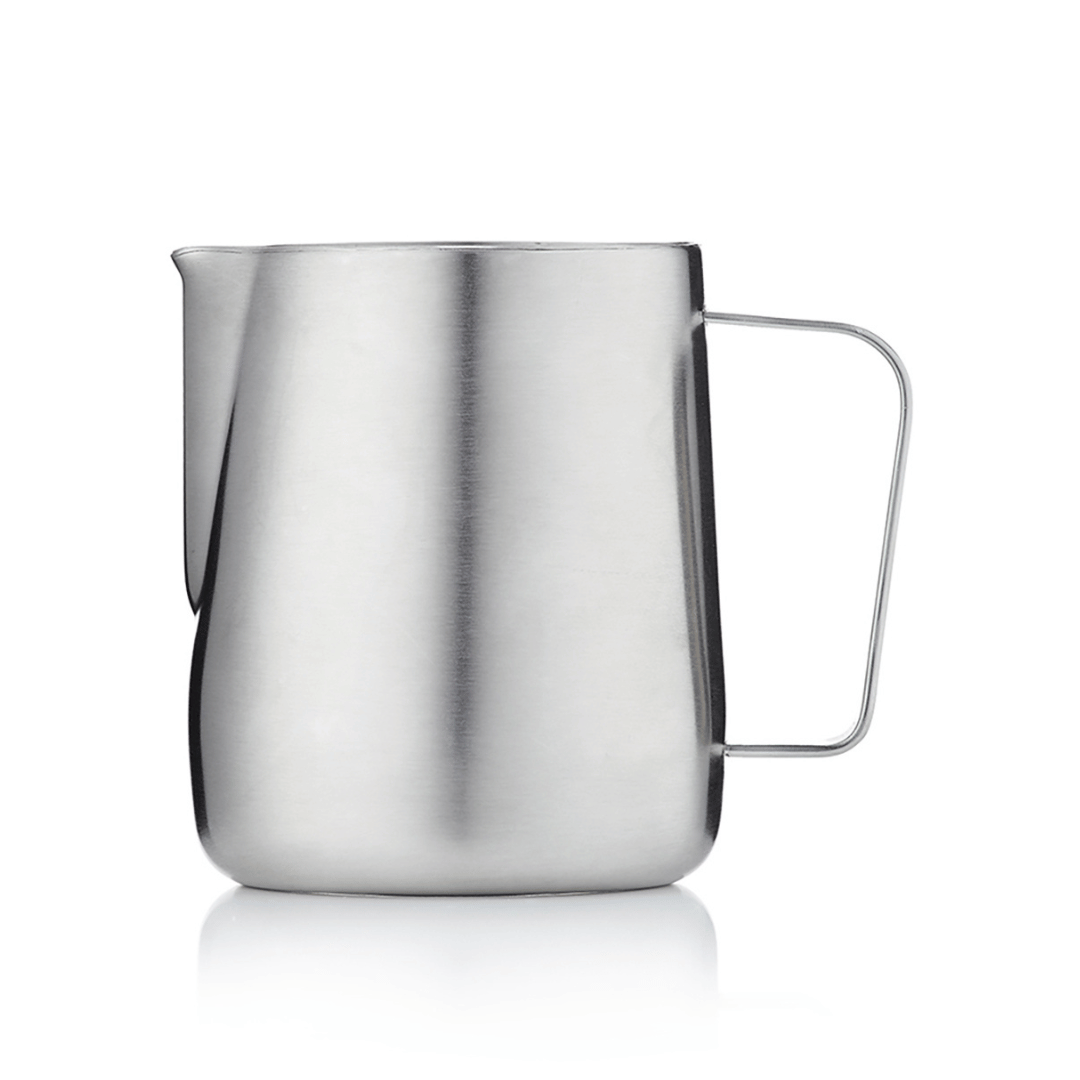
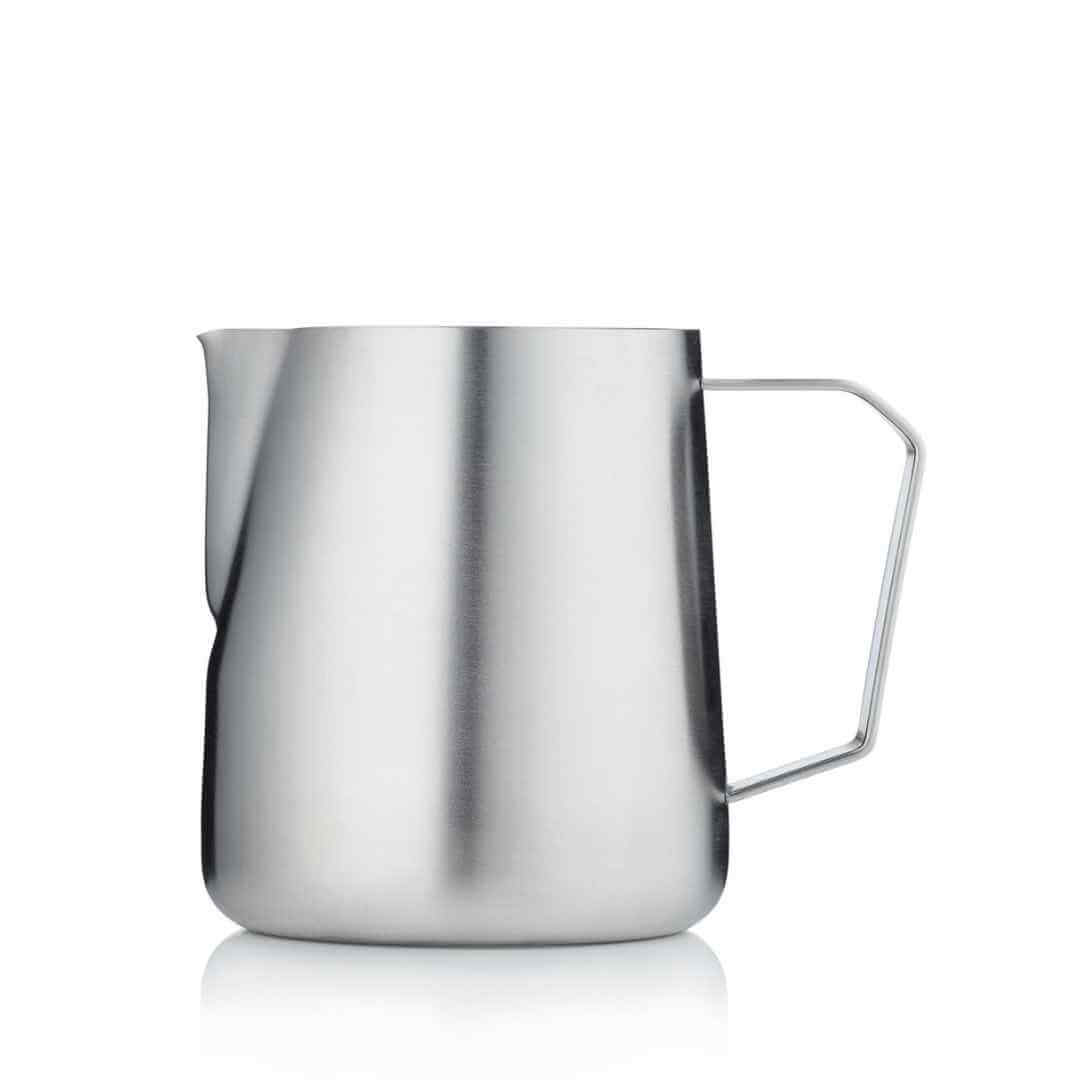
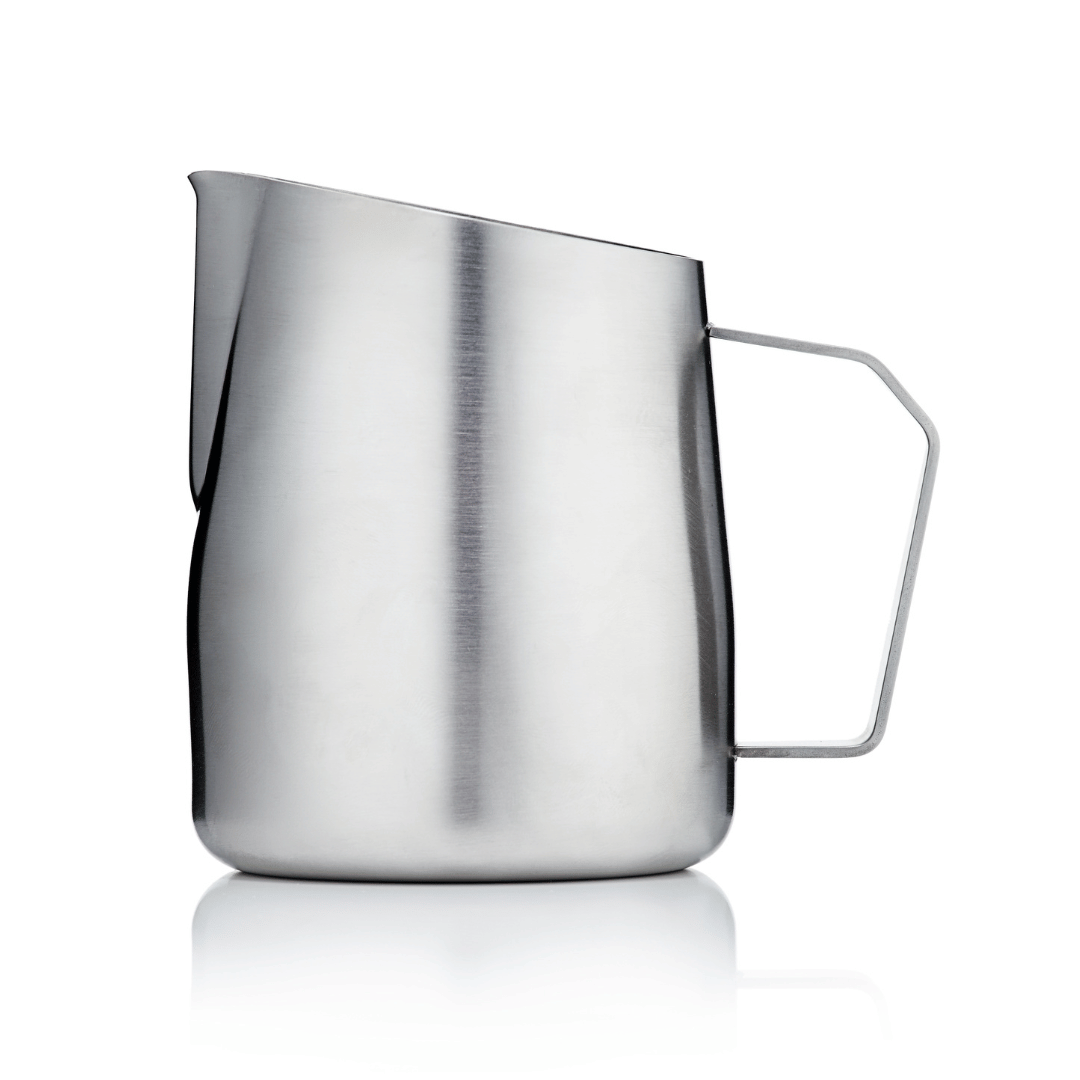
This is the golden window! Below this, the lactose hasn't dissolved fully; above it, the proteins begin to degrade (denature) rapidly, collapsing the foam structure and diminishing the milk's natural sweetness. This precision is why an accurate temperature gauge... whether a thermometer or your stainless steel Barista & Co pitcher, is essential.
2. Answer: C) A Turbulent Vortex
This is the heart of microfoam. A turbulent vortex is the powerful whirlpool created when the steam jet is properly angled in the pitcher. This specific flow pattern ensures every pocket of air added during the aeration phase is immediately circulated and sheared into tiny, uniform bubbles, resulting in that desirable glossy, paint-like texture.
3. Answer: B) Its excellent thermal conductivity allows the hand to act as a crucial, low-latency temperature gauge.
Confidence comes from control. Stainless steel's high thermal conductivity means the temperature change inside the pitcher is instantly transferred to your hand. When the pitcher becomes too hot to comfortably hold for more than a second, you know you are within the safe zone, allowing you to stop the steam before the milk is scorched.
4. Answer: A) Integration
Before you see the final pattern, the integration phase is where the denser, liquid portion of the milk is poured deep into the cup, setting the base and raising the espresso's crema layer. This initial lift is necessary before you drop the spout close to the surface and push the final, white foam layer to create your pattern.
Christmas & Coffee Facts
5. Answer: B) Stollen
Stollen is a dense, fruit-and-nut bread, typically dusted in a thick layer of icing sugar, making it a perfect, rich companion for a strong cup of filter coffee or espresso.
6. Answer: B) Eggnog
Eggnog is a classic Christmas staple, sometimes spiked with brandy or rum, and frequently used as a creamy, festive addition to coffee (e.g., an Eggnog Latte).
7. Answer: B) Mucilage
Mucilage is the sweet, sticky layer surrounding the coffee beans inside the cherry. In washed processing, this layer is removed via fermentation; in natural processing, it dries around the bean, contributing unique flavour complexity.
8. Answer: C) Central America (e.g., Guatemala, Costa Rica)
While coffee is harvested year-round somewhere in the world, Central American harvests peak around December and January, ensuring fresh coffee from this region for the New Year.
Final Word
How did you score? Whether you aced the physics questions or learned a new fact about Christmas bakes, the goal remains the same: elevating your home coffee experience.
If you are looking to truly master microfoam for the new year, the geometry of your milk pitcher is the essential first step.
Explore our range of geometry-optimised milk pitchers and give the perfect gift of coffee precision this holiday season!


Leave a comment